Homeowners today are approaching renovations and custom home projects very differently than they did in the past. Instead of treating architecture, design, and construction as separate processes managed by multiple companies, many people are now choosing more streamlined approaches that improve communication, efficiency, and overall project coordination.
One method that continues gaining popularity is the design-build model. This approach combines planning, design, and construction services into one cohesive process, allowing homeowners to work with a unified team from concept to completion.
As residential projects become more personalized and detail-focused, design-build construction is helping homeowners create spaces that better reflect their lifestyles, long-term goals, and overall vision.
The Shift Toward More Personalized Homes
Modern homeowners are no longer satisfied with generic layouts or standard renovation solutions. People want homes that feel functional, comfortable, and uniquely suited to how they live every day.
This has increased demand for experienced custom home builders capable of creating personalized spaces that combine aesthetics, functionality, and long-term value.
Whether building a new home or transforming an existing property, homeowners increasingly want thoughtful designs that maximize both visual appeal and practical living.
Why the Design-Build Process Improves Efficiency
Traditional construction projects often involve separate designers, architects, contractors, and consultants working independently. While this approach can work, it sometimes creates communication gaps, delays, and inconsistent project coordination.
The design-build model simplifies this process by bringing planning and construction together under one team. This creates stronger collaboration between designers and builders throughout the entire project lifecycle.
By improving communication and reducing fragmentation, homeowners often experience smoother timelines, more accurate budgeting, and a clearer understanding of project expectations.
The Growing Importance of Functional Design
Today’s homes are expected to do more than simply look attractive. Homeowners increasingly prioritize layouts that support comfort, productivity, storage, and flexibility for changing family needs.
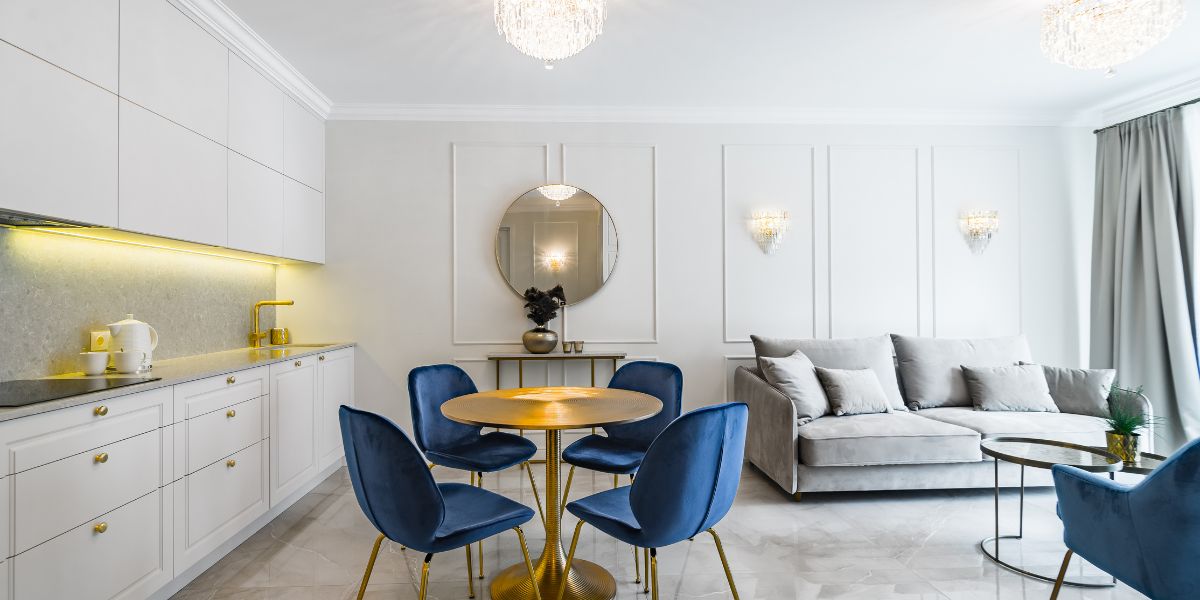
Open-concept kitchens, multi-functional living spaces, home offices, energy-efficient features, and indoor-outdoor integration have become common priorities in modern residential design.
Experienced home renovation contractors help homeowners create spaces that balance style with everyday practicality, ensuring homes remain both visually appealing and highly functional over time.
Why Renovations Continue Increasing in Popularity
Many homeowners are choosing to renovate rather than relocate. Rising housing costs and limited inventory in some markets have encouraged people to invest more heavily in improving their current properties.
Major renovations allow homeowners to modernize outdated layouts, improve energy efficiency, and better utilize existing square footage without needing to move.
This trend has increased demand for skilled design-build professionals capable of managing complex renovations while maintaining cohesive design and construction quality throughout the project.
The Role of Communication in Successful Construction Projects
One of the most important factors in any residential project is communication. Homeowners want clarity regarding timelines, budgeting, material selection, and project expectations.
The design-build model often creates a smoother communication experience because clients work directly with one integrated team rather than coordinating between multiple companies.
This collaborative process helps reduce misunderstandings while creating more consistent decision-making throughout construction.
Modern Design Trends and Lifestyle Changes
Residential design trends continue evolving alongside changing lifestyles. Many homeowners now prioritize natural lighting, open spaces, flexible floorplans, and minimalist aesthetics that create calmer and more functional environments.
Sustainability and energy efficiency have also become major considerations. Smart-home integration, efficient insulation systems, and environmentally conscious materials are increasingly common in modern residential projects.
Design-build teams are helping homeowners incorporate these features more effectively into both new builds and renovation projects.
The Importance of Craftsmanship and Quality Materials
Long-term durability remains one of the most important aspects of residential construction. High-quality craftsmanship and carefully selected materials contribute significantly to the appearance, comfort, and lifespan of a home.
Attention to detail during both design and construction phases helps create homes that not only look beautiful initially but continue performing well for years to come.
Experienced builders understand how proper planning and quality execution contribute to stronger long-term project outcomes.
Why Homeowners Value a Collaborative Experience
Residential construction projects often involve major financial and emotional investments. Homeowners want to feel involved and informed throughout the process rather than disconnected from important decisions.
The design-build approach encourages collaboration between clients, designers, and construction professionals from the earliest planning stages onward.
This level of involvement often helps homeowners feel more confident while ensuring finished spaces align closely with their vision and lifestyle goals.
The Value of Experienced Design-Build Teams
Complex residential projects require coordination, technical expertise, and strong project management skills.
Companies like Rusch Design Build help homeowners navigate custom home construction and renovation projects through integrated planning, design, and construction services focused on creating personalized residential spaces.
This unified approach helps streamline communication while supporting more cohesive and efficient project execution.
The Future of Residential Construction
The future of home design and construction will likely continue emphasizing personalization, efficiency, sustainability, and integrated project management.
Homeowners increasingly want spaces that adapt to modern lifestyles while maintaining long-term functionality and value. Design-build construction is well positioned to support these evolving expectations through stronger collaboration and more streamlined project coordination.
As residential projects become more sophisticated and customized, integrated design-build services will continue playing an important role in shaping modern homes that feel both practical and deeply personal.